



Dear Readers,
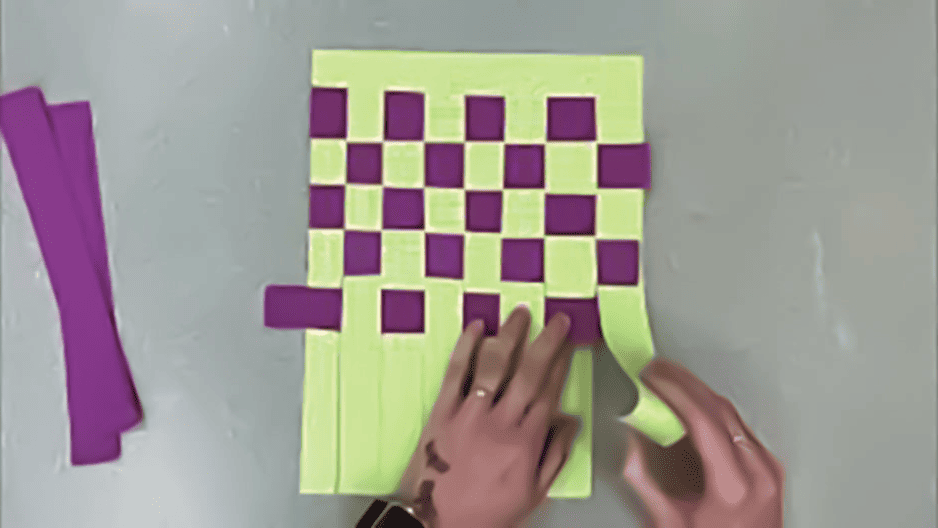
The July issue … summer in the North and the monsoons in the South have set in, and across India, it seems a perfect time for craft and quiet reflective thinking. A standard definition of weaving is that it involves two sets of yarns- the warp and the weft. Could these be the mathematics teacher and the content that they transact? The articles in this issue weave patterns of beautiful mathematics and the pedagogy to match – you will see this across the sections from Features to the Pullout.
Does one model fit all contexts in which fractions are used? Should we change the lens through which we view fractions? Narayana Meher picks up this thread in the Features section with Interpreting Fractions, describing various constructs for fractions, using examples from the textbooks and explaining why teachers should understand these constructs as they devise lesson plans and assessment.
In the Classroom section, we have Aakanksha and Garima describing their lessons on the topic of Shapes. What happens when students explore and raise questions and teachers have the courage to let them lead the flow of the learning? Their accounts will encourage you in this direction. With many down-to-earth, contextual examples and simple exercises, Anushka explains the different types of Algorithms, and students Nidhi, Ashwath, and Vyaan write an account of their Data Collection Activity, which helped them solve a question posed by their mathematics teacher.
Children can see mathematics everywhere- whether they are on a bus journey, or doing a dance, or finding shortcuts to solve problems, and when they learn to think about and document their findings, they populate the Joy of Mathematics section. With stories like the one Kshama Chakravarthy has reviewed, (The 3 Firefighters), teachers can learn how to point their students in this direction – even if you are buttoning your shirt, you need to think of shape, size, and number! And finally, the Pullout! The nitty-gritty of weaving mathematics into the life of the class -it’s not just a beautiful idea, we are actually showing you how to do it! Enjoy crafting lessons with these ideas!
While all these absorbing ideas may keep you glued to the articles, do spare a glance at the back cover; we feature here the different weaves developed in regions across India. What diversity! And what talent! What can we do to encourage these craftspeople? And how can we ensure that we keep this harmonious whole intact?
Sneha Titus
Chief Editor, At Right Angles