

Resources
The Resources section has rich pickings - plenty of hands-on, ready-to-use activities, ideas, posters and worksheets for teachers.
Filter By:
Foundational (Pre-primary, Class 1-2)
Preparatory (Class 3-5)
Middle (Class 6-8)

Handbooks
Preparatory (Class 3-5)
Middle (Class 6-8)
Logic, Reasoning and Proof
The first steps to proof, which is formally introduced in high school, are logic and reasoning. The school curriculum and the problem selection right from primary grades needs to bring about this aspect in a conscious manner. The curriculum should provide for questions that require justification.
Handbooks
Middle (Class 6-8)
Introduction to Algebra – IV
This is the fourth article in the series, Introduction to Algebra. The first one looked at algebra as a ‘pattern language’ and focused on noticing patterns and expressing patterns using terms and expressions.
Handbooks
Middle (Class 6-8)
Approaches to Equations
Introduction of a complex topic is always a challenge. If one intends to root it in the student’s daily experience, one is compelled to select a concrete model which serves the purpose but may have limited scope.

Handbooks
Middle (Class 6-8)
Introduction to Algebra – II
This article is Part II of the series ‘Algebra – a language of patterns and designs.’ The approach is based on the perception of algebra as a generalisation of relationships.
Handbooks
Middle (Class 6-8)
Introduction to Algebra – I
Introduction to school algebra can happen through varied approaches. Some prefer to start with an unknown in an equation, while some prefer to start with a formula and some others may prefer to use a pattern based approach.
Handbooks
Preparatory (Class 3-5)
Middle (Class 6-8)
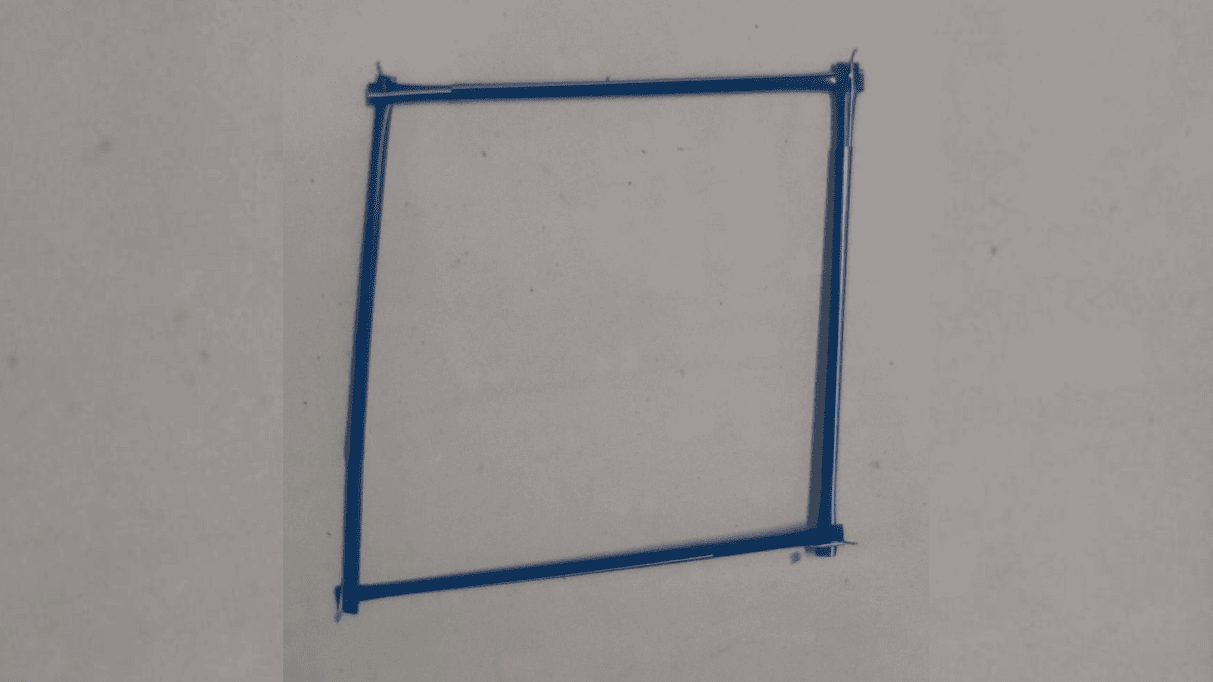
Quadrilaterals
Quadrilaterals is a topic which need not be ‘taught’ by a teacher. As a topic it presents ample opportunities for holding discussion based classes. Geometry topics in general need to be approached as explorations.
Handbooks
Preparatory (Class 3-5)
Middle (Class 6-8)
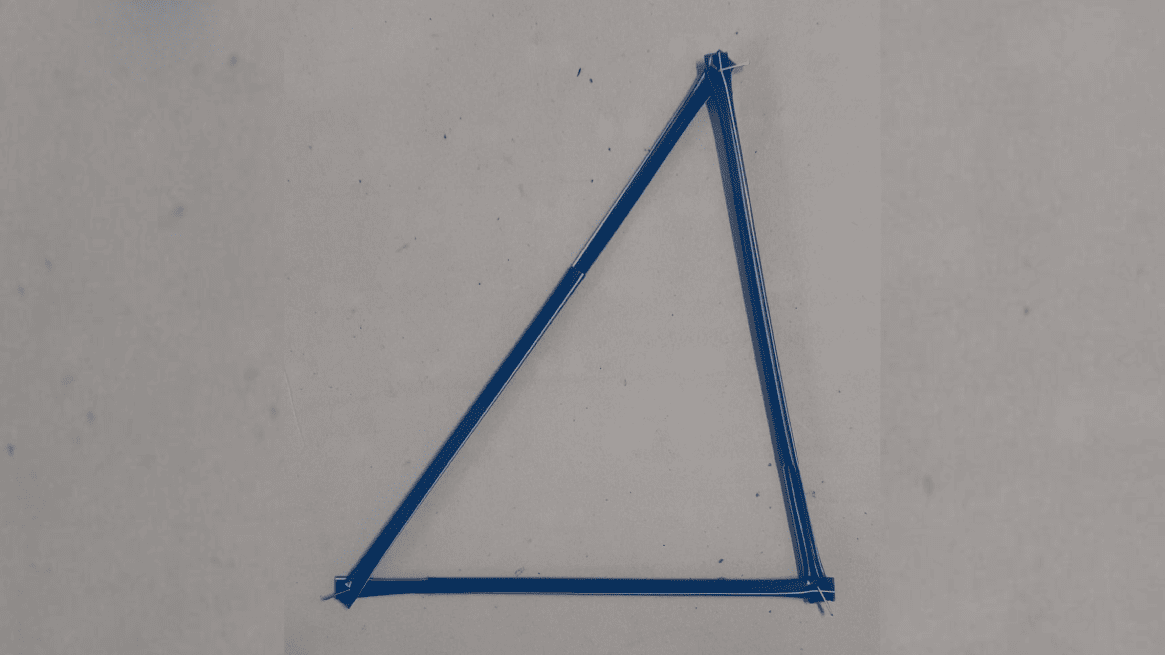
Triangles
The shapes that are seen most in everyday life are rectangles and circles, but triangles are the building blocks in many types of constructions.

Handbooks
Middle (Class 6-8)
Parallel Lines
Many elements in buildings – beams, pillars, windows, doors, window bars, flooring tiles – incorporate parallel lines.
Handbooks
Preparatory (Class 3-5)
Middle (Class 6-8)
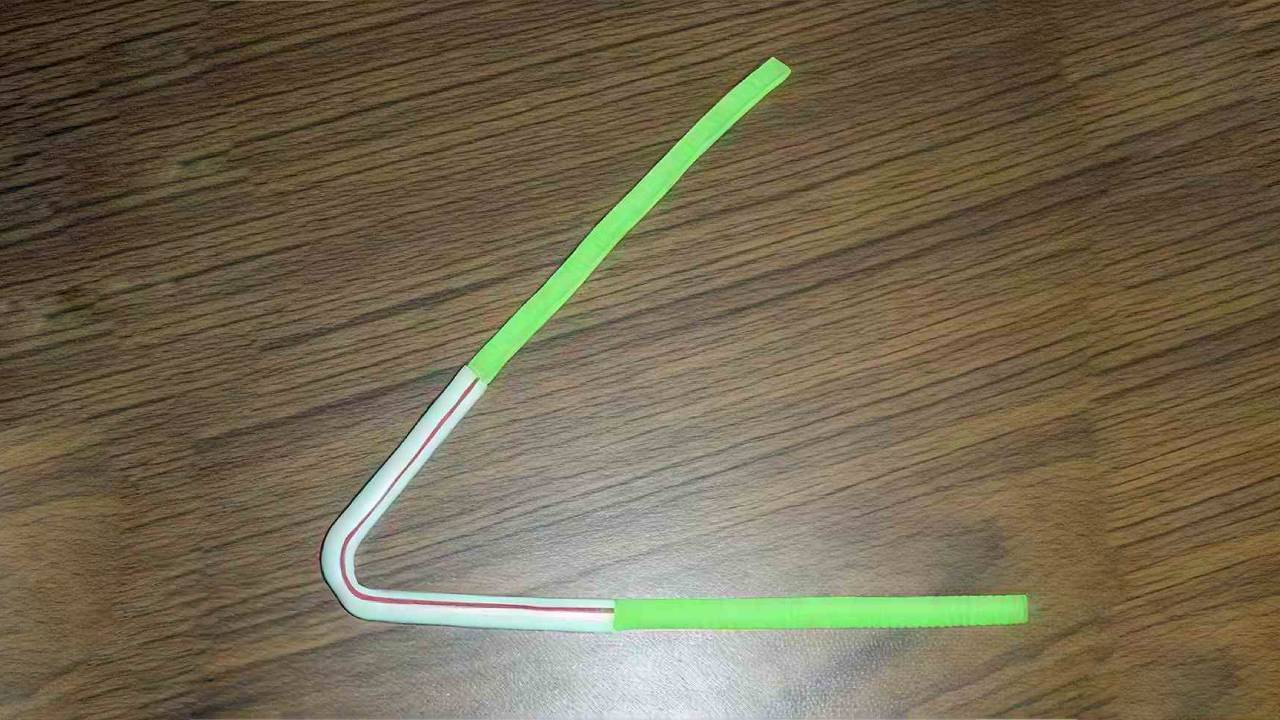
Angles
Measurement of line segments and the concept of length arise naturally in students.

Handbooks
Middle (Class 6-8)
Teaching Integers
Preamble: It is important to state at the outset that manipulatives, which are designed to aid in the understanding of certain concepts, are not meant to be a replacement for the axiomatic development of the subject. Their purpose is essentially to enable students to construct their own mental models for mathematical concepts.
Handbooks
Foundational (Pre-primary, Class 1-2)
Preparatory (Class 3-5)
Math talk in the classroom
To answer the above question, let us ask ourselves a few more questions. Does a classroom where the teacher asks questions that can be answered with a simple ‘yes’ or ‘no’ provide scope for students to share their true understanding of knowledge?