


Dear Readers,
The halfway mark is always a good opportunity to pause and reflect and in this second issue of 2026, we have much to look back on and look ahead to. The digital edition of At Right Angles is up and active with new articles every week- in fact, articles of the July 2026 issue are already available on this platform. It’s the go-to place for all those who love engaging with primary school mathematics.
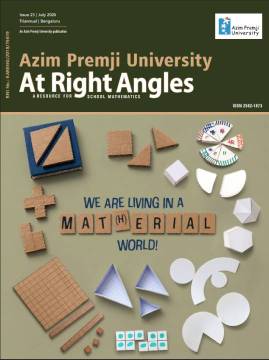
The cover of the July 2026 issue features a paraphrased line from the 90’s hit Material Girl – which may not be familiar to most of our readers. But those steeped in the pedagogy of mathematics will be familiar with mat(h)erials (materials used to teach mathematics). Surely, these exist in abundance all around us, and their use in the classroom is strongly recommended by policy, teacher trainers, and school administrators. Will this guarantee improvement in the learning of mathematics? Here are a couple of points from Anurag Behar’s column in Mint*.
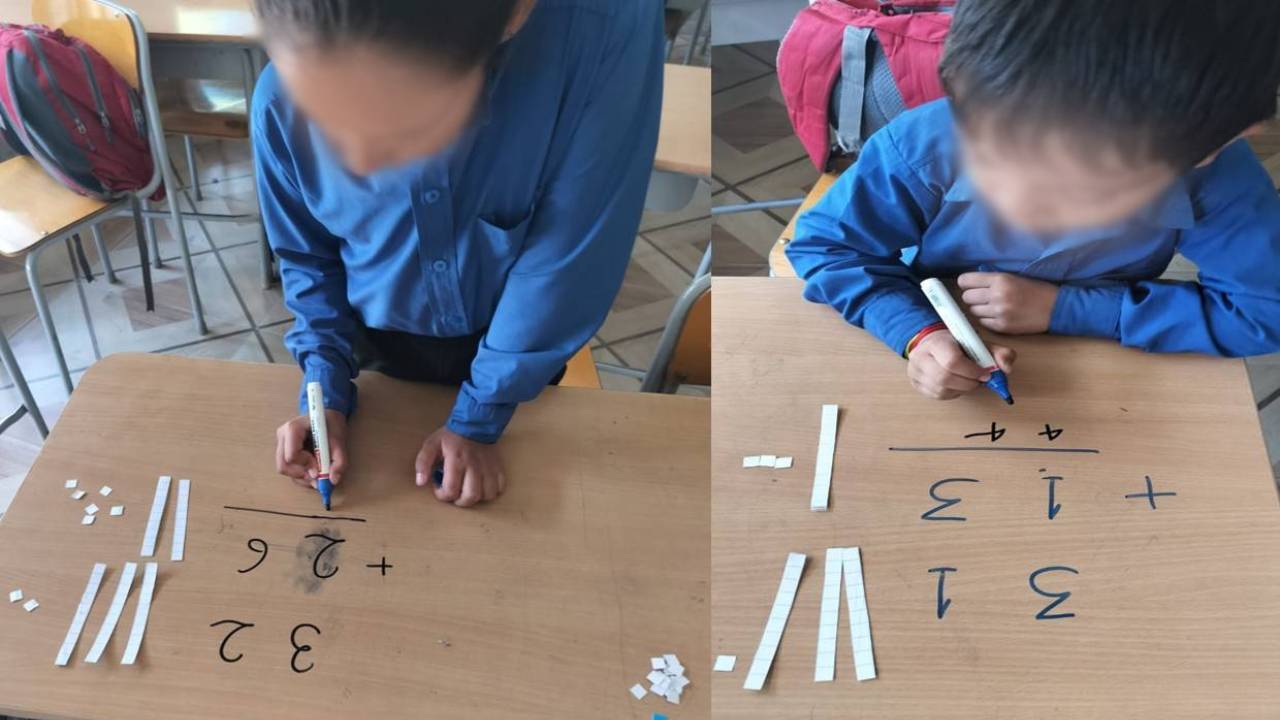
Last week in a school I watched a teacher run an “activity” on fractions. About twenty children folded paper into halves and quarters with evident enjoyment. There was movement, colour, buzz —all signs of a progressive classroom. At the end of the class, I asked a few children what a fraction was. They looked at the folded paper in their hands and then at me and had nothing to say. The activity had happened; the learning had not.
The teacher was not at fault. He was sincerely and diligently doing what he had been told was good teaching. The fault lay much deeper and earlier, in an intellectual error that has quietly influenced Indian school education for two decades.
He goes on to say
From the significantly true claim that ‘learning is an active process of construction’, we slid to a very different set of claims that ‘teaching must therefore be minimally directive’ —that the teacher should not explain, that direct instruction is authoritarian, that children must discover ideas for themselves through activities, that practice and memorization are the enemies of understanding.
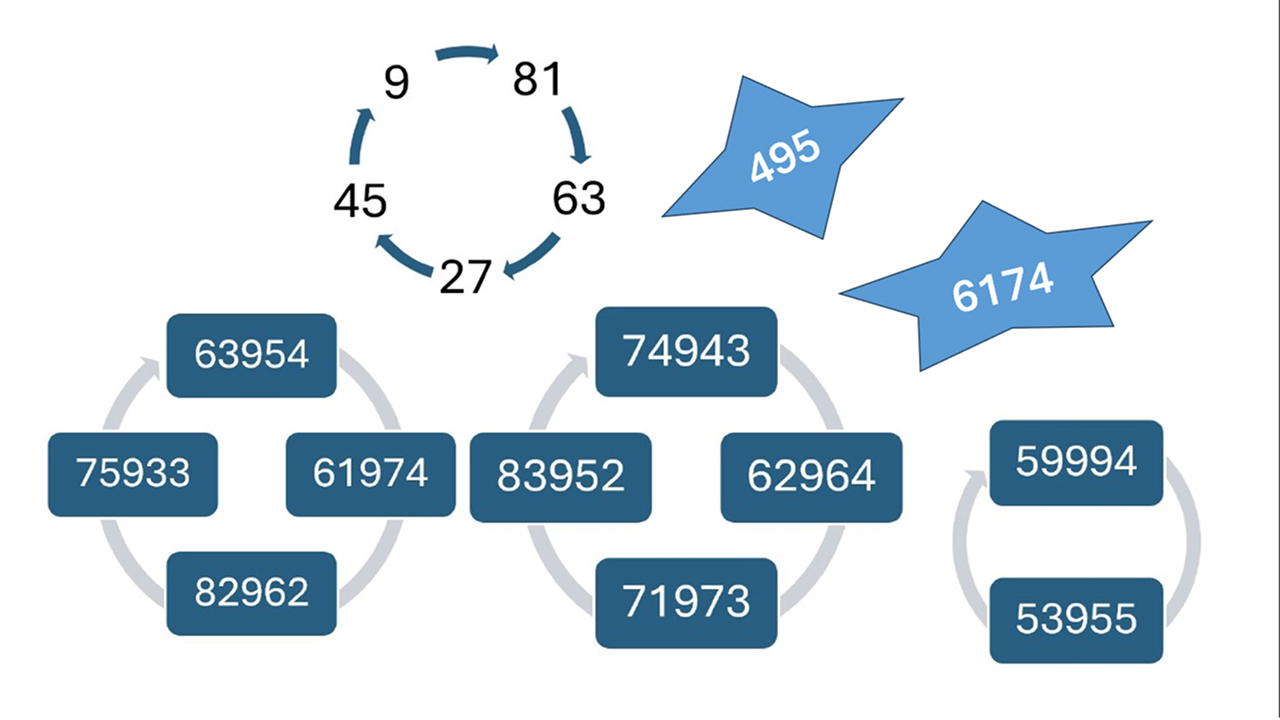
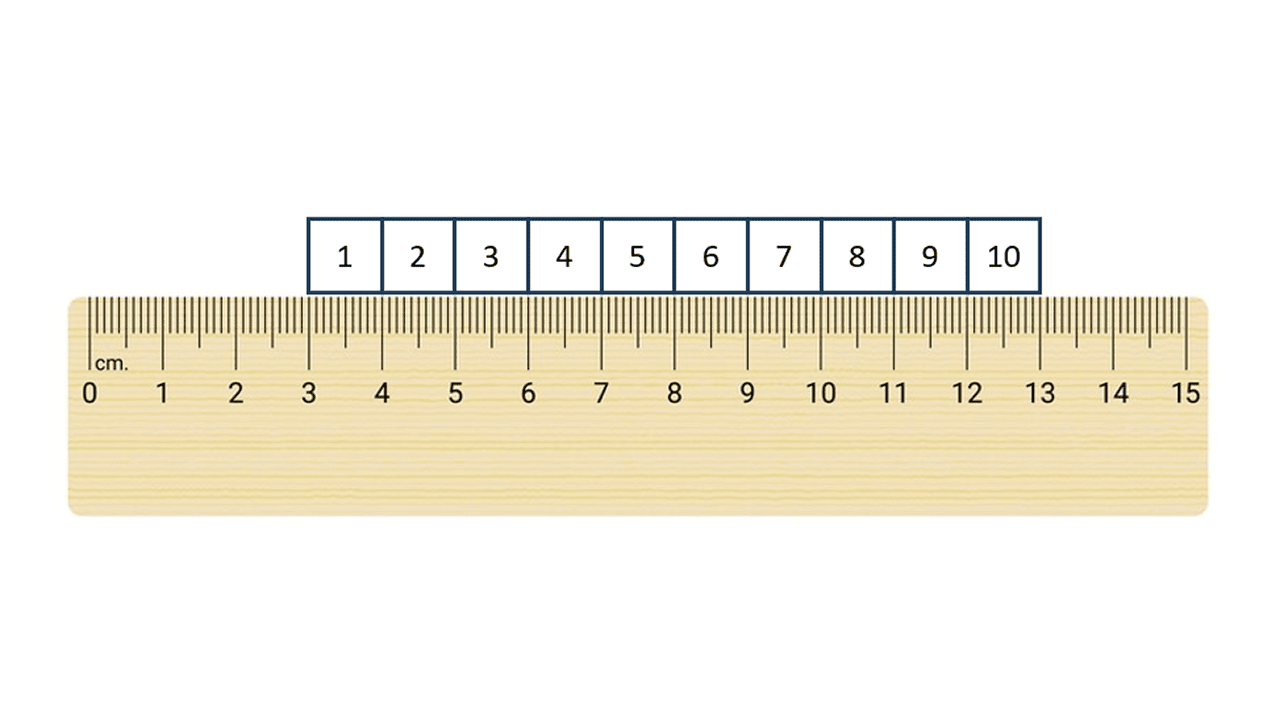
This is exactly the caution with which we present our two Feature articles by Nandita Jayaraj and Swati Sircar. The facilitation skills of the teacher are the most important part of the use of manipulatives. Communication is paramount! This theme runs throughout this issue in Concrete to Concept by Sonia Kundu, Kaprekar Constant by Suyash Tiwari and Measuring the Gap by Jivesh Panchbai.
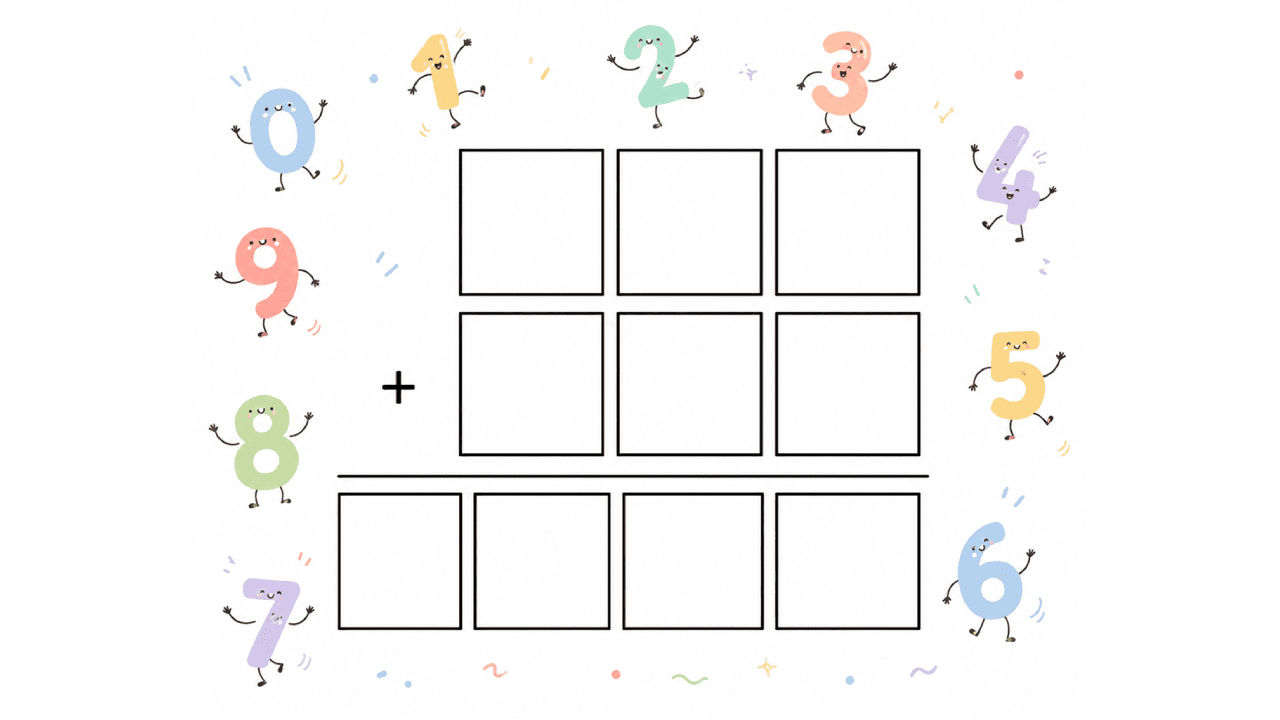
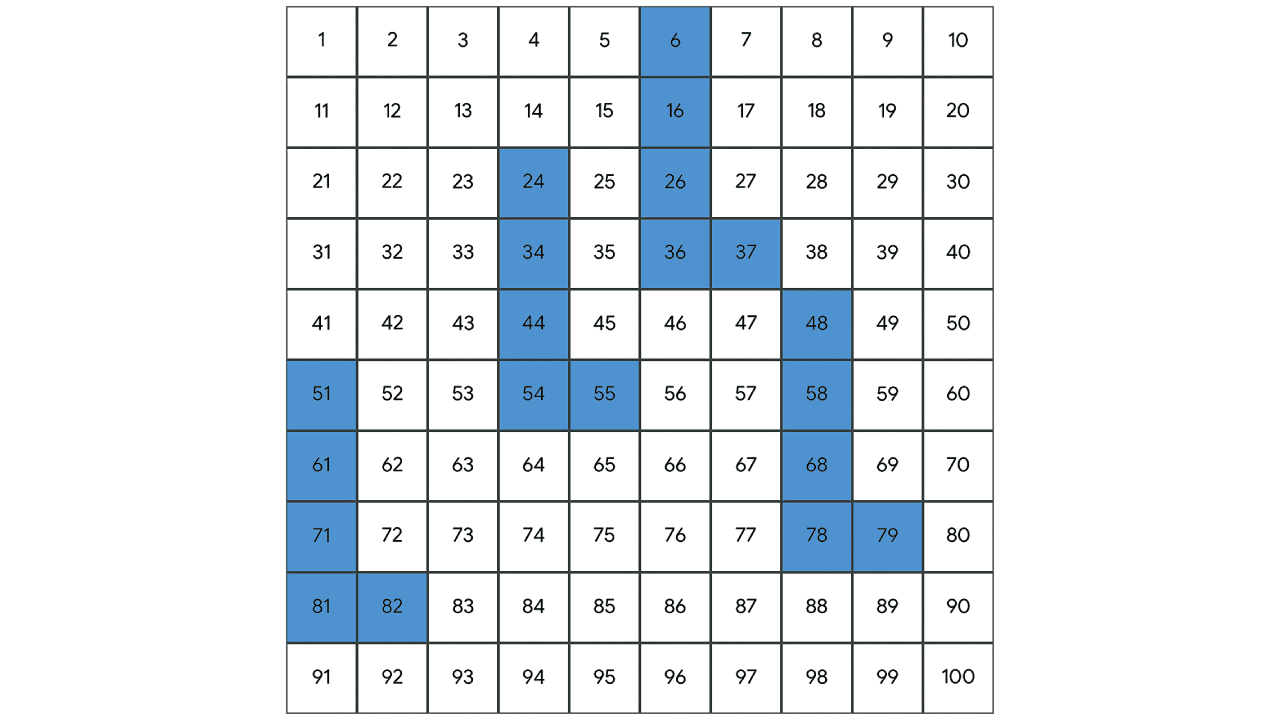
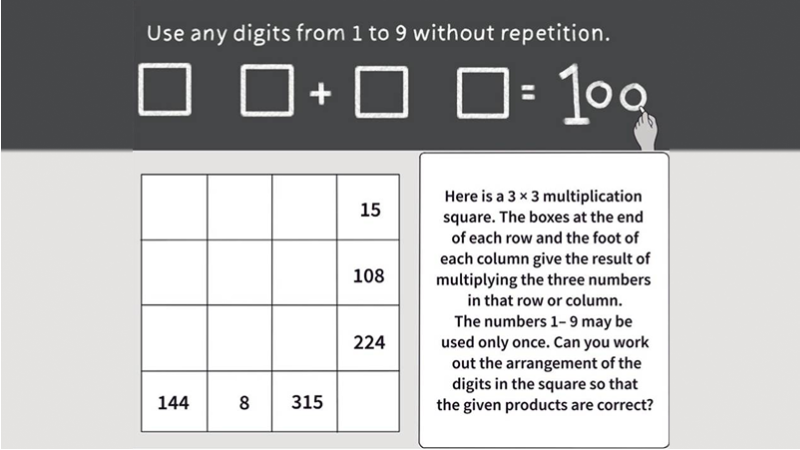
In the Joy of Mathematics, we focus on problem-solving: Dancing Digits, Star Problem by Sumit Pandey, and Pentominoes by Jayasree and Mohan. Again, not just to get an answer or to play aimlessly, but to examine the process and relish and develop the art of problem-solving. The Review features something very different this time! Do check it out. And we conclude with Math Talk by Padmapriya Shirali- featuring math conversations that showcase good teaching.
We conclude with a quote from Behar:
Good teaching is not the application of any doctrine, old or new. It is judgment: knowing when to explain and when to let children struggle, when an activity deepens understanding and when it merely fills time, which things must be automatized through practice so that the mind is free for thought.
Join us in the journey to build classrooms ‘where the mind is without fear and the head is held high!’
Sneha Titus
Chief Editor, At Right Angles